
From the workshop · Engineering notes
From a software brief to a 3D-printed enclosure.
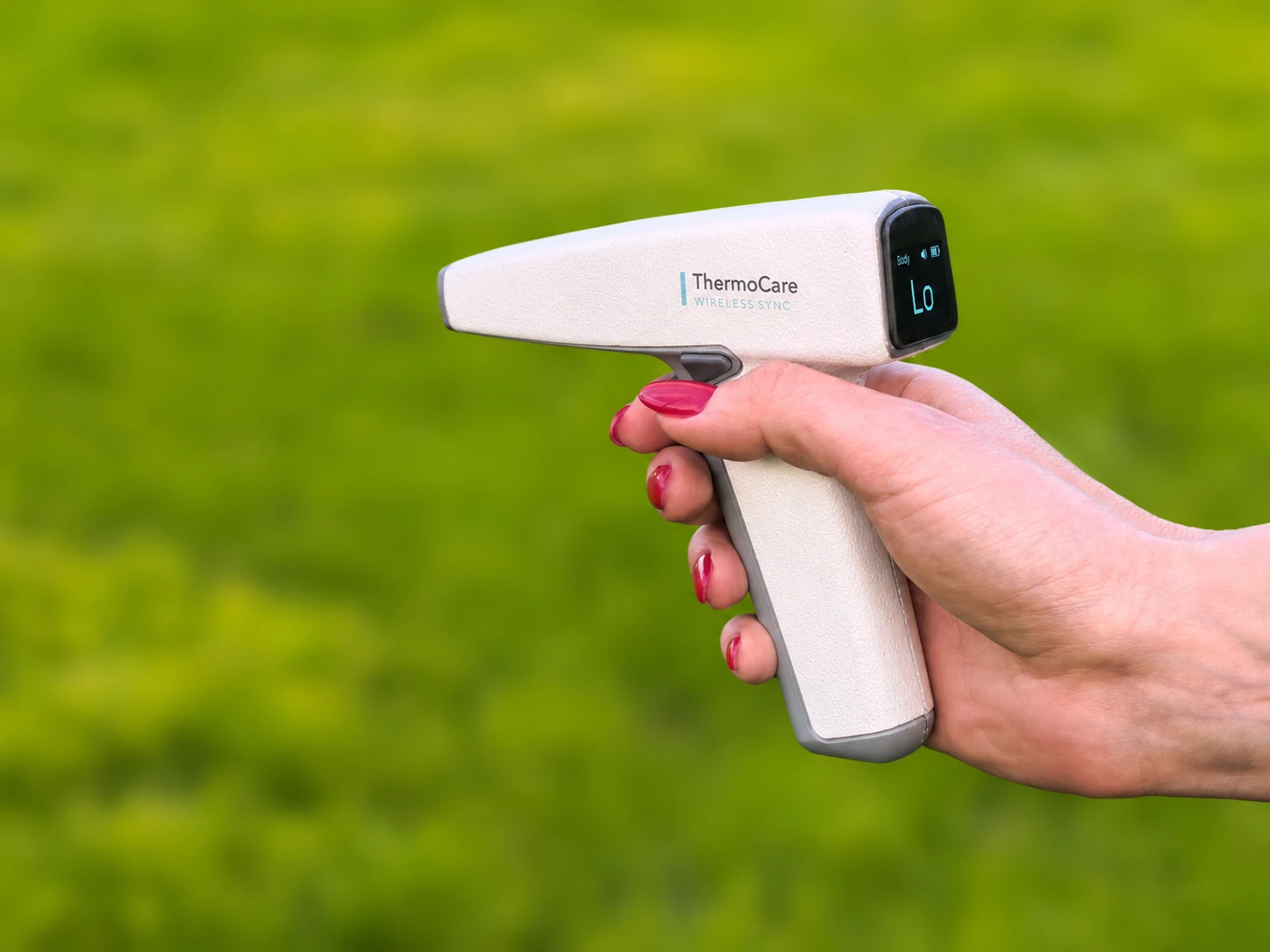
A client approached me to develop software for a non-contact infrared thermometer. By that evening, I was designing its enclosure in SolidWorks.
We met with the whole team and discussed the details. After reviewing the circuit design, I suggested a couple of improvements. Then the conversation turned to the enclosure.
I looked at the proposed options—and felt that familiar engineering itch. I wanted to explore the shape, fit the electronics neatly inside, and work out the assembly. I was already picturing the surfaces, mounting points, and how the parts would fit together.
An evening in SolidWorks.
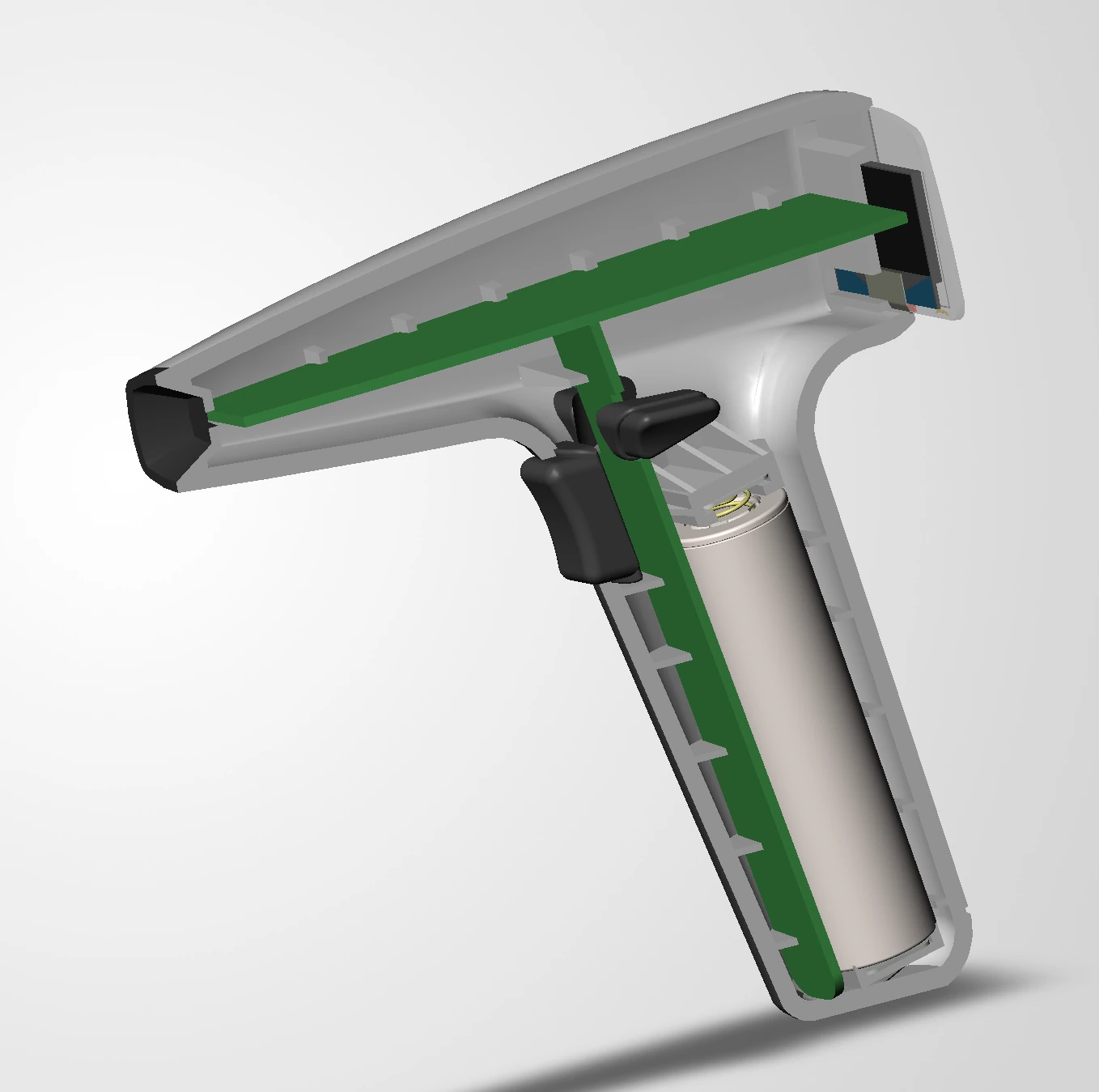
That evening at home, I sketched out the exterior and internal layout. The enclosure needed to accommodate:
- A built-in 18650 rechargeable battery.
- Three control buttons.
- Two interconnected PCBs, a separate sensor board, and a display.
I designed locating features and supports for the components, and explored two ways to join the enclosure halves: snap-fits or ultrasonic welding.
The project stopped. The idea didn’t.
I showed the concept to the client the next day. But the project didn’t move forward.
By then, though, I was hooked on the design. I wanted to build it, check how the parts fitted together, and take the idea at least as far as a physical prototype.
So I printed the parts on my home 3D printer and assembled the enclosure prototype you see in the photos.
The physical prototype
A closer look.
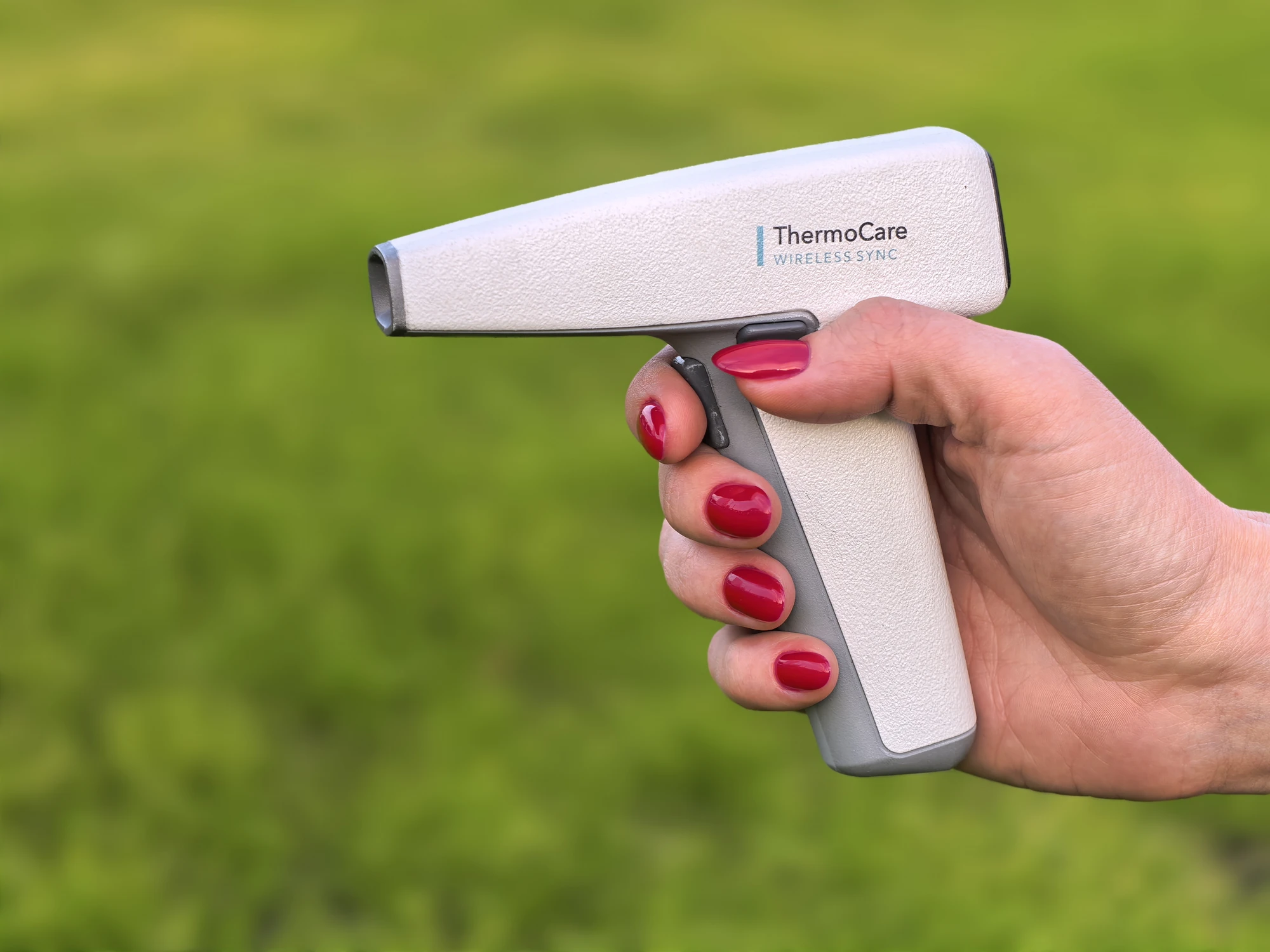
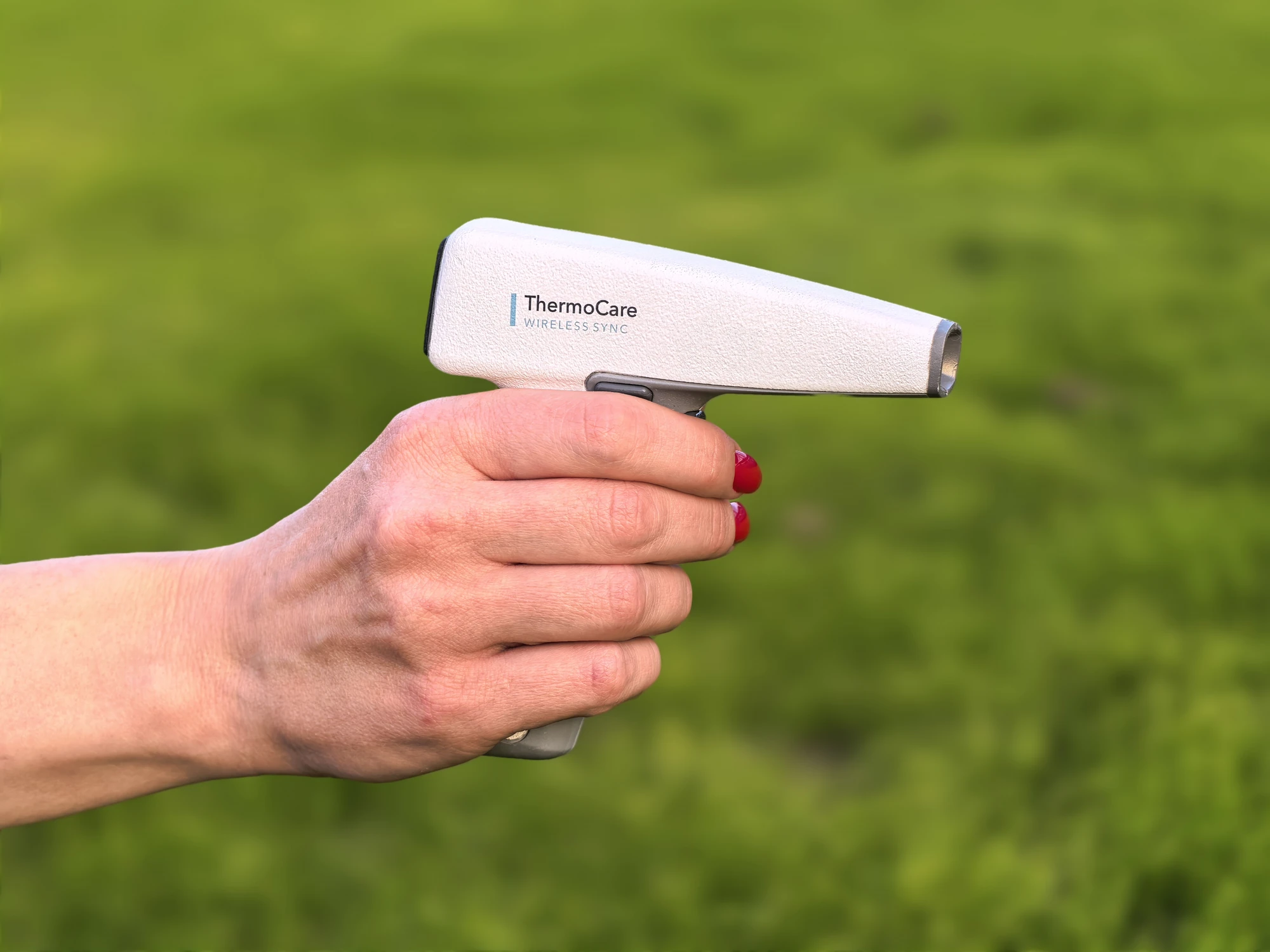
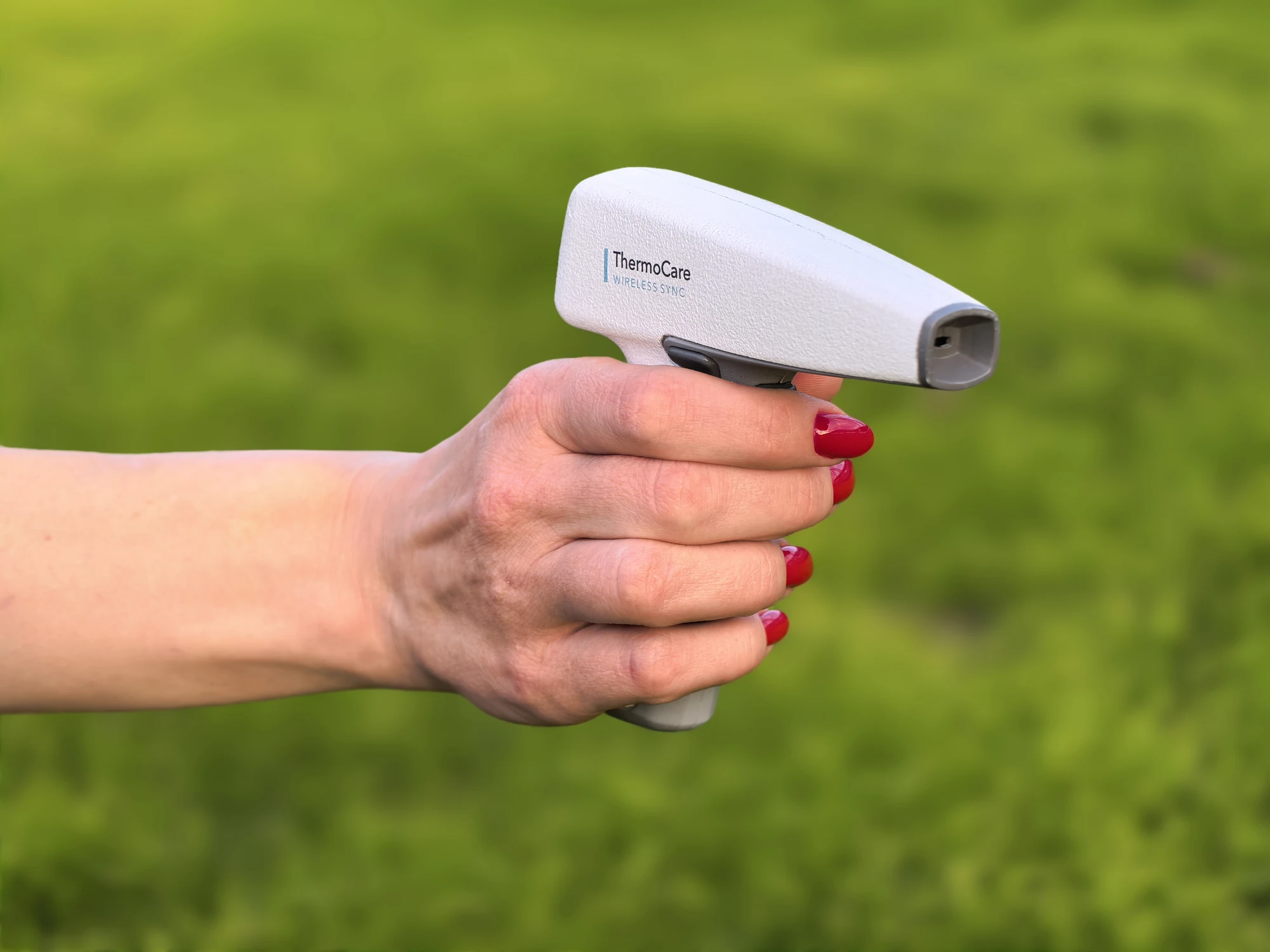
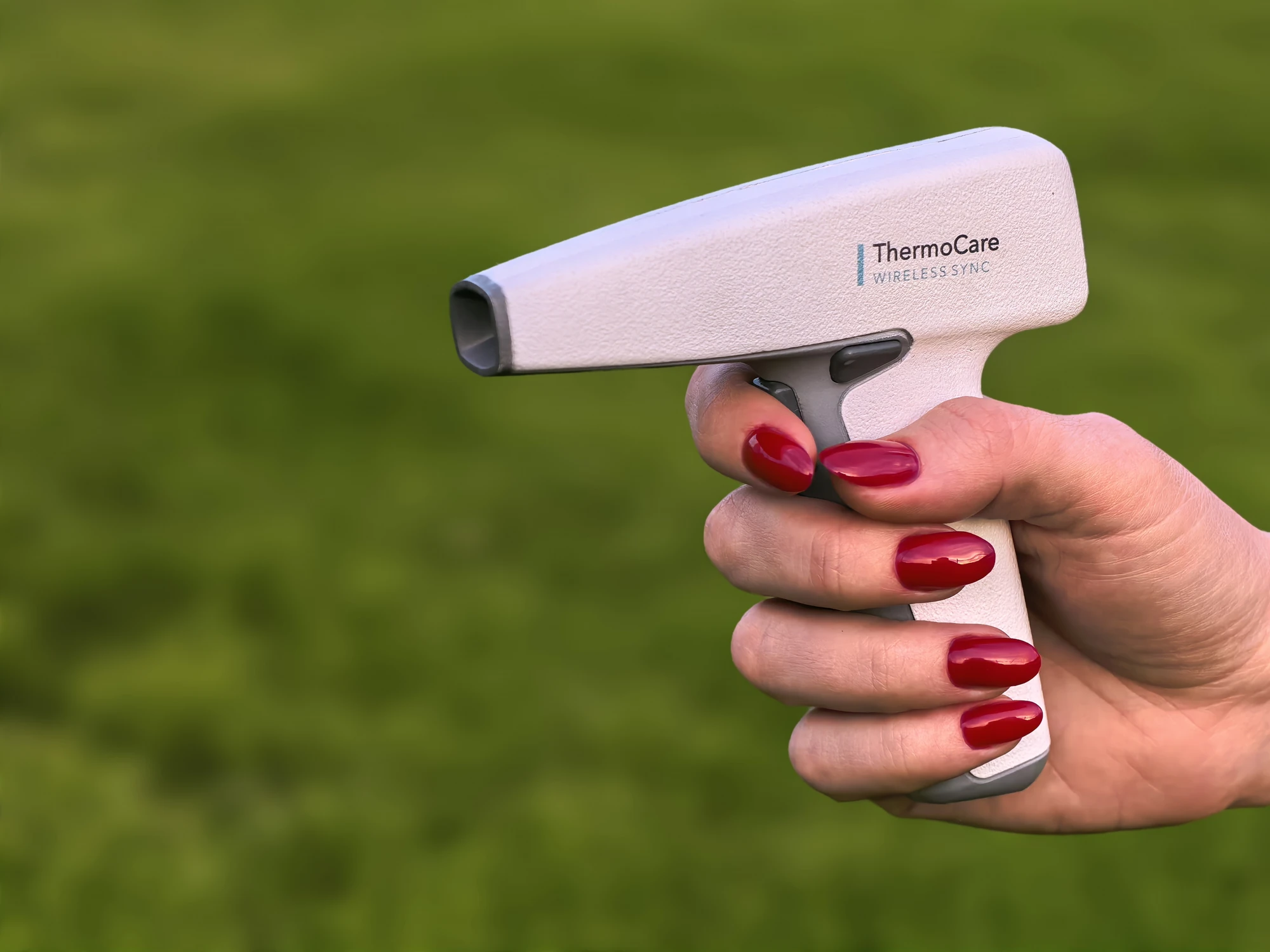
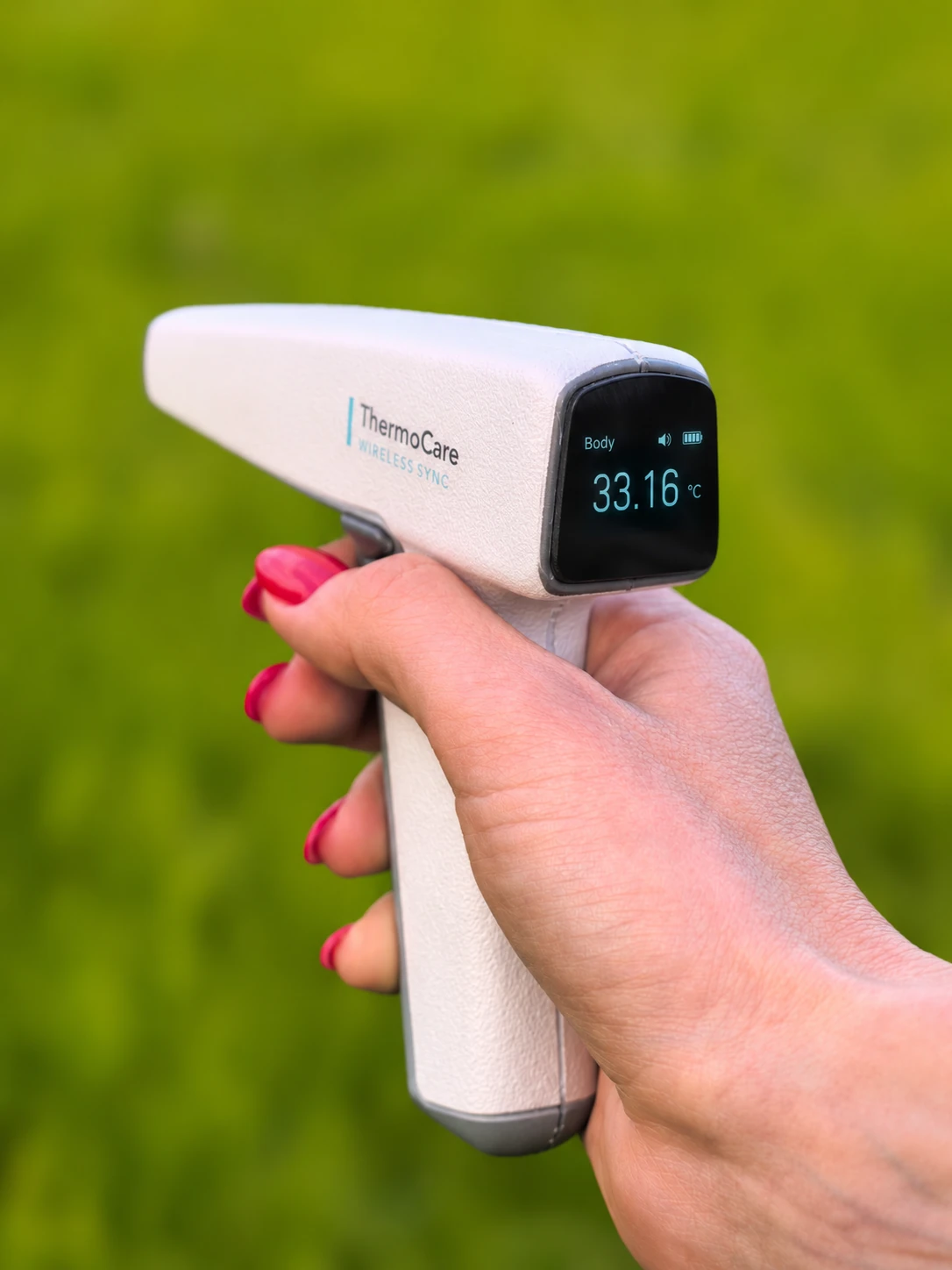
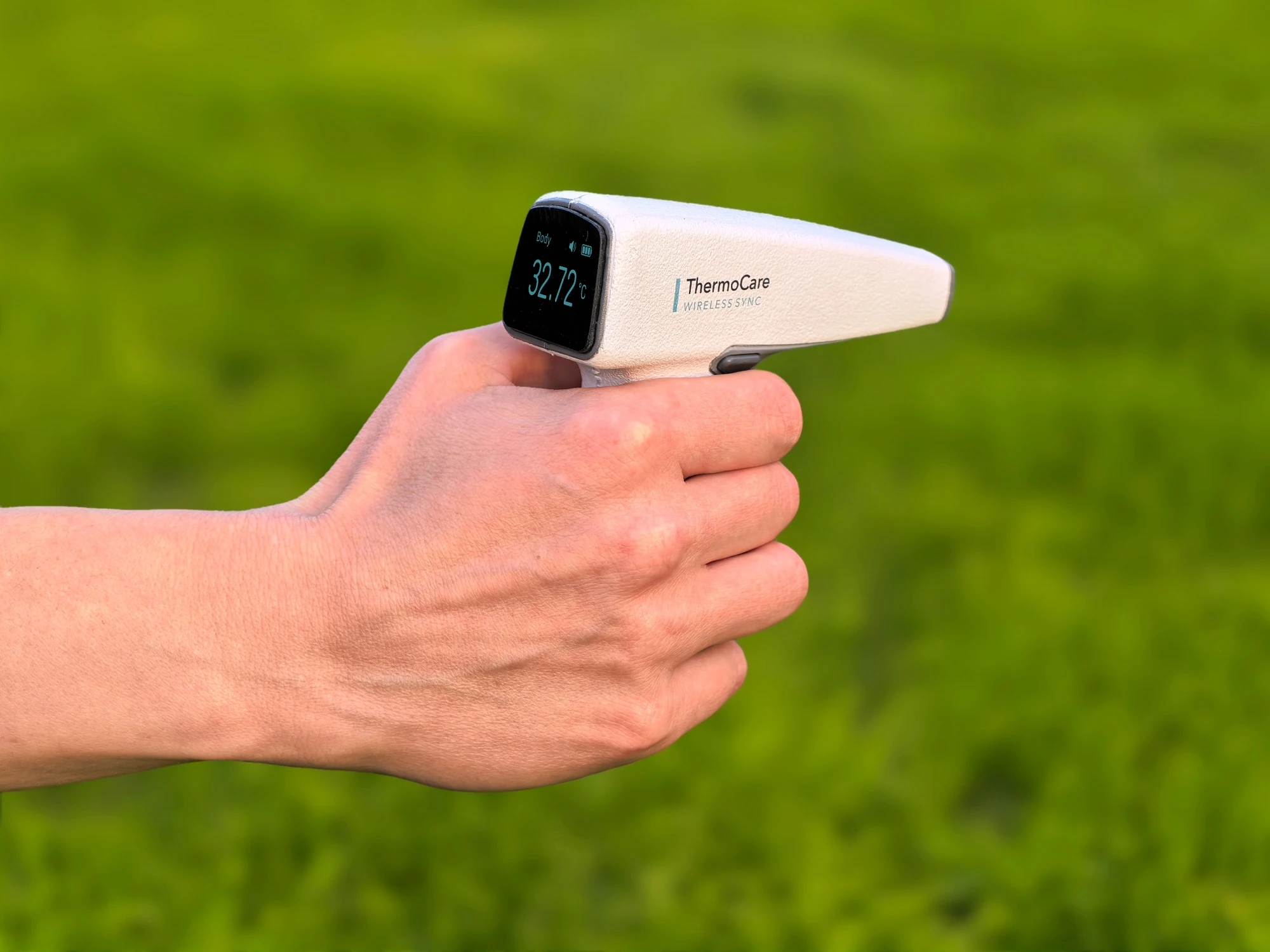
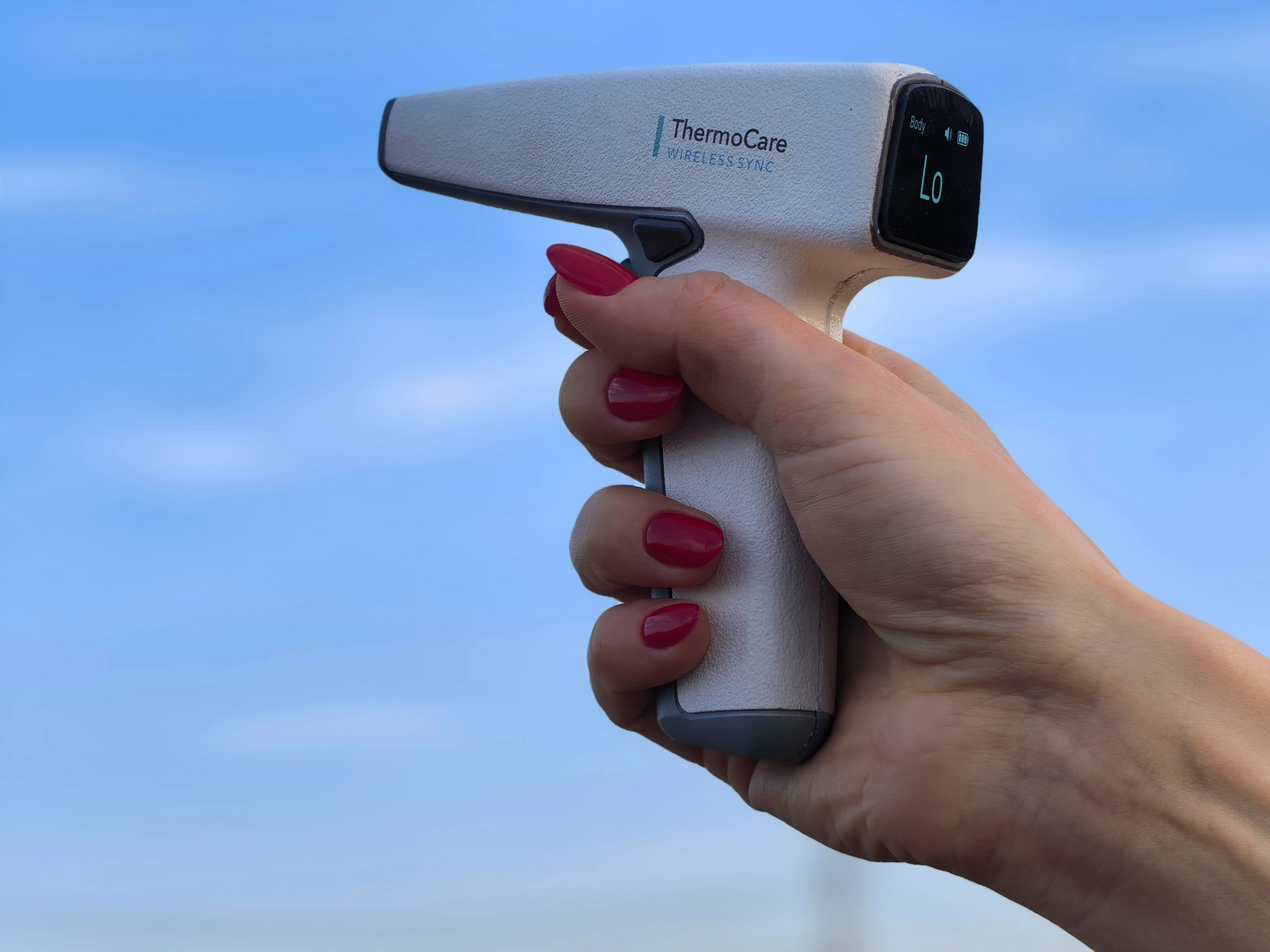
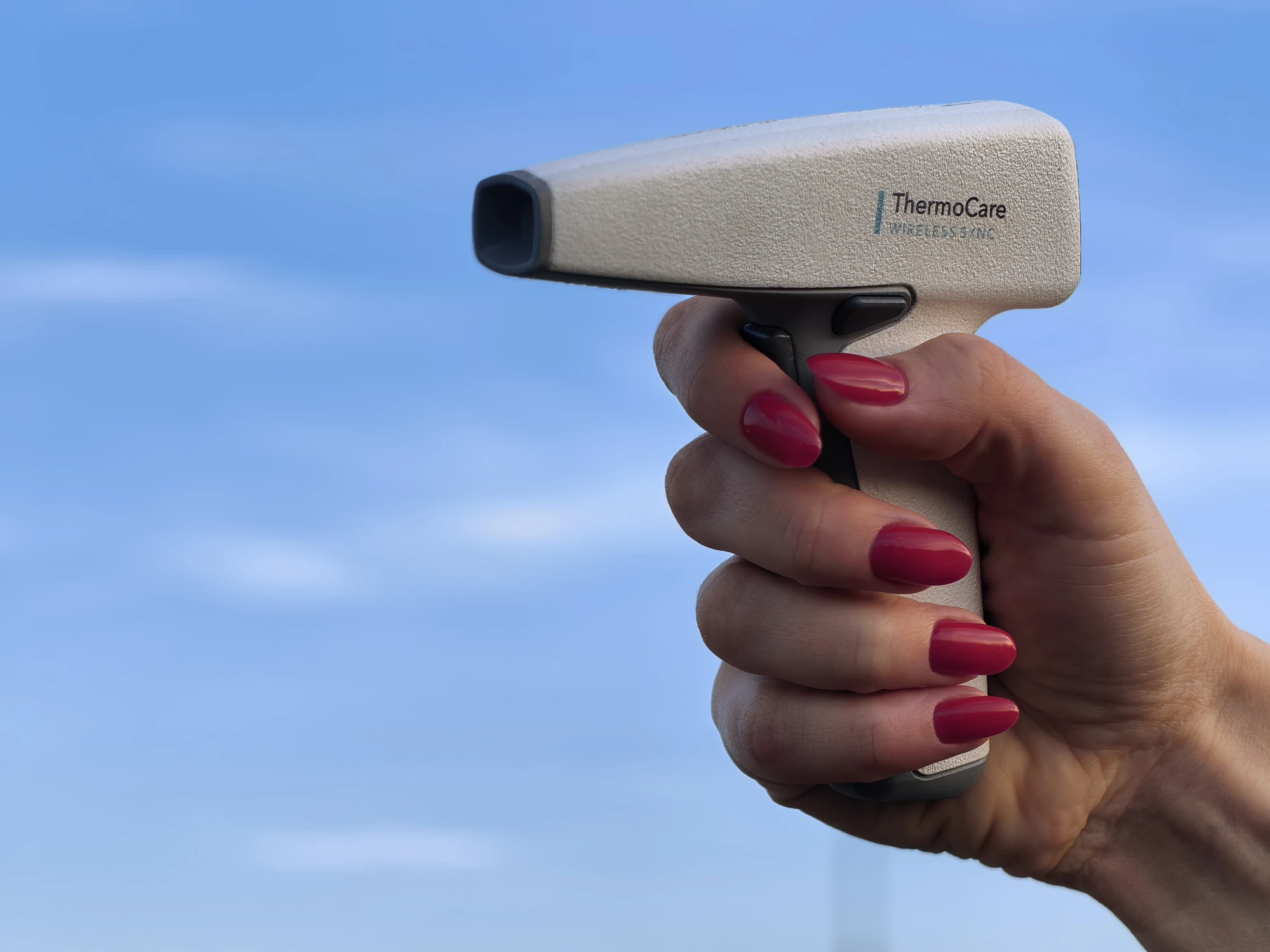
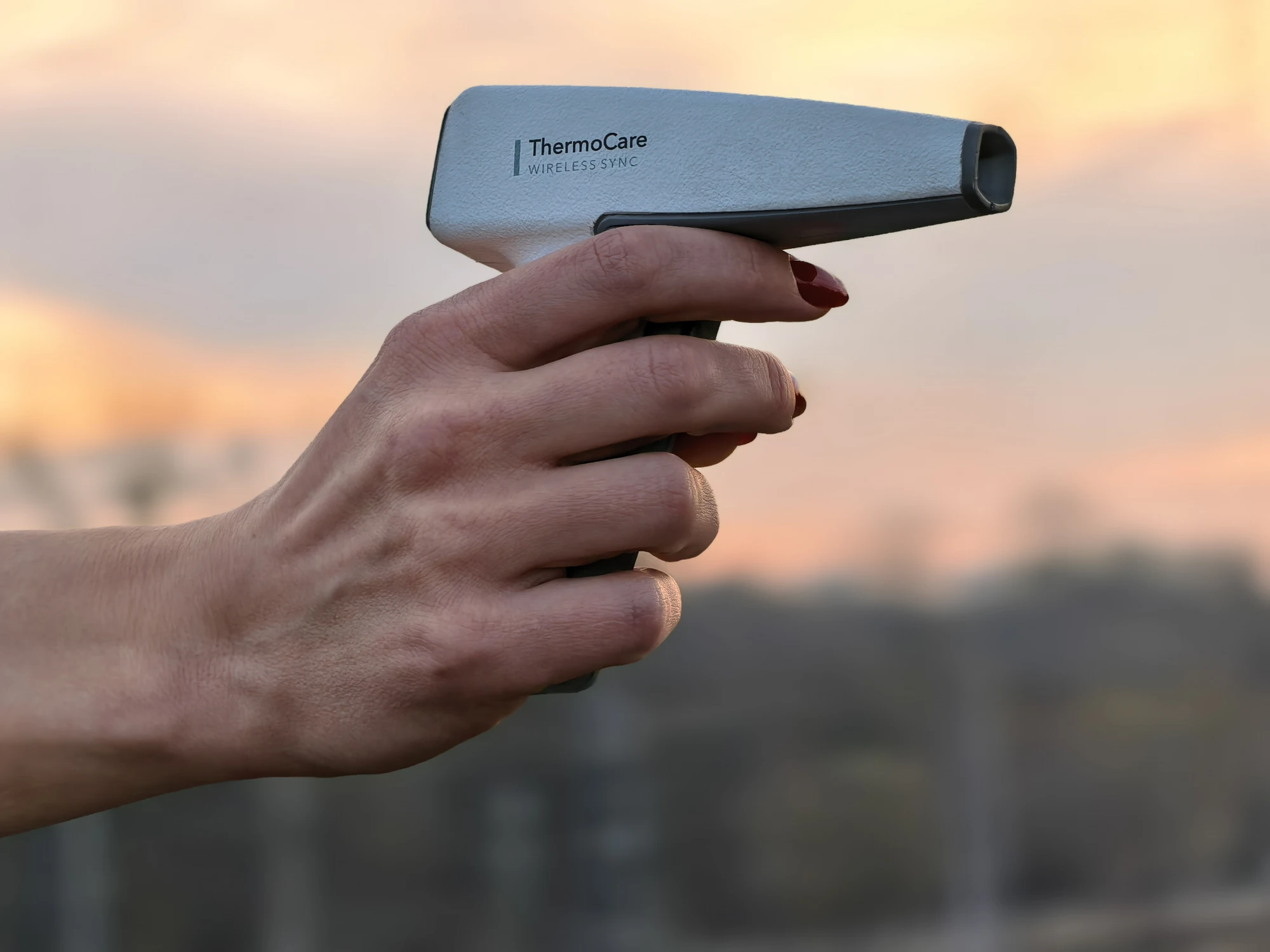
Photographs show the enclosure prototype. Display readouts are visualizations.
I enjoy working across the whole product: understanding the circuitry, writing the software, and designing the mechanical parts. Especially when a decision in one area helps improve another. Being able to move between those disciplines is a big part of what keeps engineering interesting for me.
Have you ever continued developing an idea after the original project came to a halt—simply because you still wanted to build it and see how it worked?
Share your thoughts